5 Exterior Warning Signs to Check Before a Long Journey
7-minute read

Before a long drive, most people remember to check their tyre pressures and engine oil. But the outside of the car is easier to overlook.
Loose trim or damaged fittings may seem like minor problems during everyday driving. At motorway speeds, constant vibration and airflow can make them worse.
Some exterior faults can reduce your visibility. Others may interfere with the tyres or stop your lights from working properly.
Here are five warning signs worth checking before you set off.
Quick Answer
Check for a shaking wing mirror or a side window that moves slowly. Look for persistent moisture inside an indicator, then inspect the bumper and wheel arch liners for anything loose. These faults may become worse during a long journey. Spotting them early gives you time to arrange a repair before they cause more damage or leave you stranded.
Is a vibrating wing mirror safe to drive with?
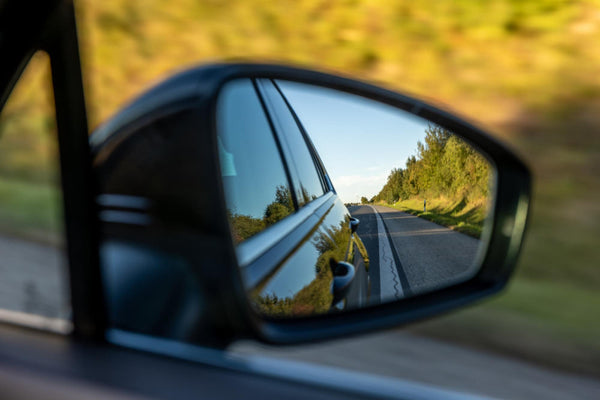
A wing mirror that shakes more than usual may have loose glass or a damaged mounting.
A small amount of movement can be normal on a rough road. However, the mirror should not rattle, fold unexpectedly or move enough to make the reflected image difficult to use.
Motorway airflow and road vibration can make an existing fault worse. If the glass or mirror housing becomes detached, your view behind the car may be reduced. The loose part could also fall into the road.
The GOV.UK rear-view mirror requirements state that every required mirror must remain steady under normal driving conditions.
🔍 How to check your wing mirror
With the car parked, gently hold the mirror housing and check for movement around its base. Look closely at the glass to make sure it is firmly attached to the backing plate.
Test the electrical adjustment and folding functions where fitted. A mirror that clicks, struggles to move or will not remain in position may have internal damage.
Do not assume the mirror is secure simply because the adjustment motor still works. The housing or base may still be loose.
Repair a cracked or unstable mirror before a long journey, especially if it affects your view behind the vehicle.
What does a grinding or slow car window mean?
A side window that rises slowly or makes a grinding noise may have a worn window regulator.
The regulator is the mechanism inside the door that raises and lowers the glass. Depending on the vehicle, it may use cables and guide rails or a scissor-style mechanism.
Cables can fray over time and runners may begin to wear. The first sign is often slow or uneven movement, but the glass can eventually become stuck or drop inside the door.
🔍 How to check your side windows
Raise and lower each window once while the car is parked. Listen for grinding or clicking and watch whether the glass remains level as it moves.
The window should travel smoothly and close without leaving a gap. If it slows halfway or tilts inside the frame, the regulator may be starting to fail.
If the glass feels loose or will not close correctly, avoid repeatedly pressing the switch. Continued use can place more strain on the regulator motor.
Because window regulators and door components vary between models, use our registration lookup tool to find parts that fit your vehicle.
When is moisture inside an indicator a problem?
Brief misting inside an indicator or headlamp can happen when the temperature changes. It will normally clear once the lamp has been used.
Persistent droplets or pooled water are more concerning. The lens or weatherproof seal may be damaged. A loose rear cover or blocked vent can cause the same problem.
Moisture left inside the unit can corrode the bulb holder and nearby wiring. It may eventually cause the bulb or LED unit to stop working.
🔍 How to inspect a misted indicator
Turn the lights on and see whether the mist begins to clear. Check the lens for cracks and inspect the edge of the unit for visible gaps.
Make sure the light works consistently and displays the correct colour.
A small amount of temporary misting may not need immediate attention. However, visible water or repeated bulb failure should be investigated before a long journey.
A light that flickers or displays the wrong colour should be repaired before you drive.
Can a loose front bumper come off at motorway speed?
A bumper that sits lower on one side may have a damaged bracket or missing mounting clips.
Plastic fixings can crack after a parking scrape or contact with a kerb. The bumper cover may still look secure even when some of the mountings behind it have failed.
This is why it is worth knowing how to inspect your car after a minor bump, even when there is little visible damage.
Normal road vibration can gradually loosen the remaining fixings. Motorway airflow may then cause the bumper to flap or drop further out of position. In a more serious case, the panel could move towards the front tyre or begin dragging on the road.
🔍 How to check your front bumper
Stand in front of the car and compare the panel gaps on both sides. Look for any section that has dropped away from the adjacent bodywork.
Press gently around the affected area. Excessive movement or a clicking sound can indicate a broken retainer.
Check underneath the bumper for a hanging undertray or missing fasteners.
Do not drive if the bumper is touching a tyre or dragging along the road. Arrange a repair if it looks likely to come away from the vehicle.
Can a loose wheel arch liner damage a tyre?
A loose wheel arch liner can rub against the tyre and damage both parts.
The liner is the shaped plastic panel inside the wheel well. It helps protect the inner wing and nearby components from road spray.
A liner may come loose after driving through deep water or hitting a pothole. Missing clips and cracked mounting points can allow the plastic to hang closer to the tyre.
At speed, airflow through the wheel well may push the loose liner inwards. Repeated contact can wear through the plastic and mark the tyre surface.
🔍 How to inspect a wheel arch liner
Park safely and turn the steering to full lock so you can see further inside the front wheel arch.
Look for missing clips and sections of plastic that appear to be sagging. Check the liner and tyre sidewall for fresh scuff marks.
Turn the steering in the opposite direction and repeat the inspection.
If you hear scraping while turning or driving over bumps, stop and check the wheel arch before continuing. A liner that is already touching the tyre should be secured or replaced.
Pre-Trip Exterior Safety FAQs
Can a small windscreen chip wait until after the journey?
It is better to repair it beforehand. A small chip can often be repaired, but vibration or temperature changes may cause it to spread and require a full windscreen replacement. See the official MOT windscreen guidance.
Are both wing mirrors legally required on UK roads?
Not for every vehicle. The requirement depends on its age and design, although most modern passenger cars need both door mirrors and an internal rear-view mirror unless the view behind is obstructed by design.
Can a dirty or damaged number plate lead to a fine?
Yes. A registration plate that is difficult to read can result in an MOT failure and a fine of up to £1,000.
Is a cracked headlight casing an MOT failure?
Not automatically. It may fail if the lamp is insecure or the damage affects the light it produces. Water entering through the crack can also damage the bulb or LED unit.
Can minor bumper damage affect parking sensors?
Yes. A shifted bumper can move a parking sensor out of position, causing false warnings or preventing it from detecting nearby objects correctly. Have it checked if the system behaves differently after a bump.
Check Your Car Before You Set Off
Before loading the luggage, take five minutes to walk around the car.
Check the mirrors and windows first. Then look over the lights and body panels before inspecting each wheel arch.
Small faults are usually easier to repair when they are found early. Dealing with them before a long journey can also prevent further damage.
Need a Part Before You Go?
Find replacement mirrors, lighting parts, window components and exterior trim for your vehicle.
Enter your registration to find the exact parts that fit your car.
Find Your Parts Now